

Pet insurance • Practical decisions

Make NYC pet insurance affordable

Keep future-risk protection and affordable local care on separate tracks, then check what each expense actually buys.

Owner sitting with a dog and cat on a sofa
✓ Policy-first ✓ Independent ✓ Useful checks
Direct answer
Affordable pet insurance in NYC should protect a meaningful future medical risk while leaving room for care you will still pay for yourself. Compare New York offers using your real address, and investigate local reduced-cost care separately. An assistance program is not an insurance policy; an optional insurance benefit is not automatically good value if you can obtain the same planned service more affordably another way.
Decision guide

Make two shortlists that solve different problems

Insurance shortlist Local-care shortlist
Eligible future medical risks you want help funding. Specific routine or existing care you need to arrange.
New York offer, exclusions and selected benefits. Provider eligibility, services and appointment access.
Premium and retained treatment costs. Actual service charge plus practical access requirements.
Written policy answer for an important coverage question. Confirmed appointment or eligibility answer before counting a saving.

NYC’s official resource page can start the care-service search. For each lead, ask whether it serves your residence, treats the species and problem involved, and is accepting appointments. Include travel and scheduling in your decision: a listed low-cost service is not useful to this household if you cannot realistically reach or use it.

For the insurance side, decide what medical protection remains useful even if no assistance appointment is available. Do not lower your coverage requirement because a resource directory contains a program that has not accepted you. The two shortlists inform each other, but neither should depend on an unconfirmed benefit.
Cost & value

Remove a cost only after identifying what it buys

Budget line Question to answer
Core medical insurance Which unexpected costs are transferred, and which remain excluded?
Optional visit-fee benefit Would illness consultations otherwise remain entirely yours?
Preventive package Which scheduled services would you actually use, and at what reimbursement caps?
Separate routine-care fund What still needs paying regardless of a medical claim?

Do not remove it on the assumption that all veterinary visits are the same benefit. The options offered in the New York quote control; a general product page may describe features available only elsewhere.

What to know

Confirm the care saving before valuing an add-on

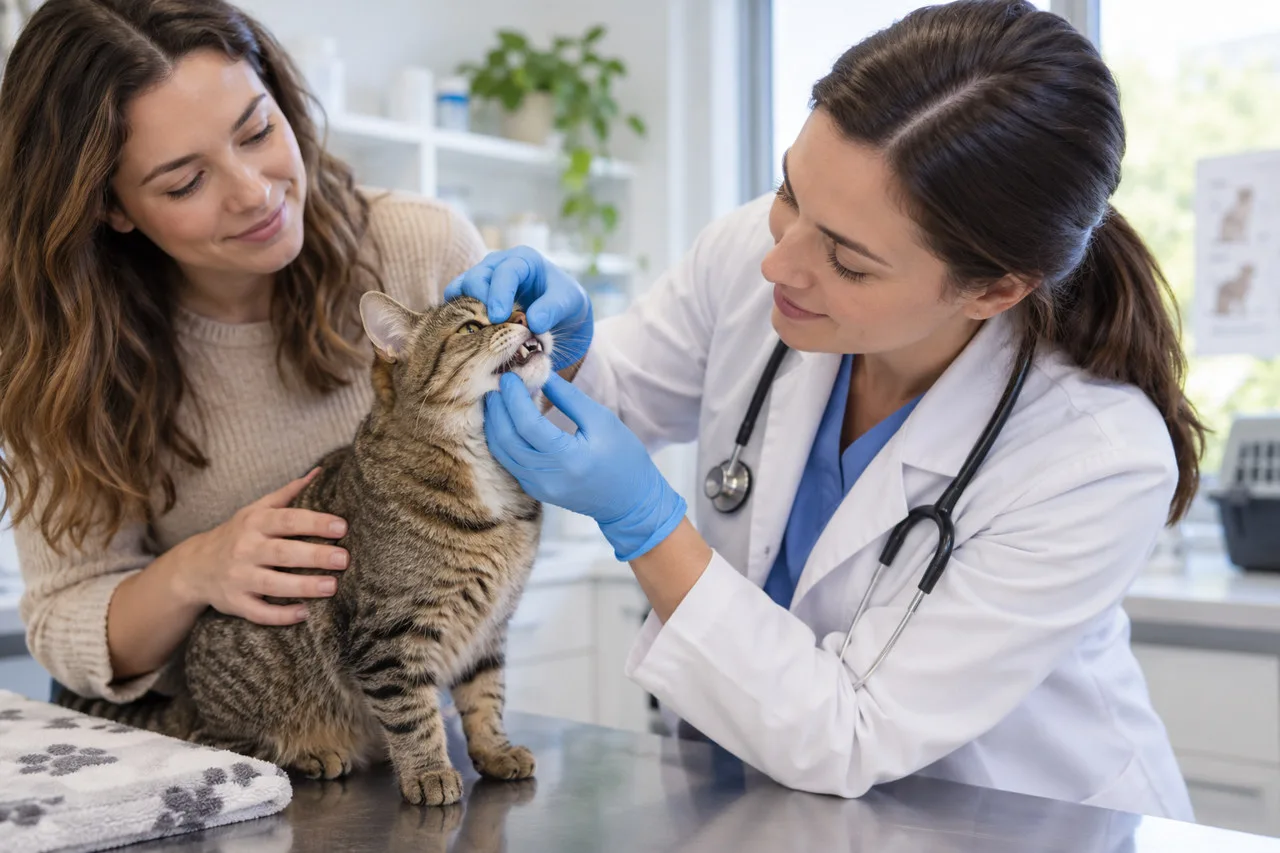
Veterinarian checking a cat beside its owner
Ask each assistance provider which services and appointments are currently available.

NYC’s animal-welfare page points to reduced-cost veterinary resources maintained by the Mayor’s Alliance for NYC’s Animals, a nonprofit separate from the Mayor’s Office. Ask the actual provider which services are offered, what documentation it needs and whether your household qualifies. The directory itself does not determine the price or approve an appointment.

Now compare like services. If you have a confirmed lower-cost preventive appointment, ask what you will actually pay and compare that amount with the usable allowance and extra charge of a proposed routine-care option. Keep diagnostic treatment for a sick pet separate from a preventive examination. Do not assume that a discount and an insurance reimbursement can be combined; ask both programs if that matters.

If eligibility, capacity or the service charge is still unknown, leave the saving unconfirmed. You can evaluate the medical insurance independently and revisit the optional layer when the care information is real. Do not postpone necessary treatment while trying to perfect the comparison.

What to know

Set a renewal review that protects continuity

Keep the current declarations and notice of renewal with your care calendar. When the price changes, ask what choices can be adjusted on the existing policy and what that would remove. If considering a switch, compare medical-history treatment as carefully as the new price; a familiar condition may not transfer to a different contract.

The practical decision is whether the revised protection remains useful and maintainable. Avoid cancelling first and investigating later. If the insurer’s explanation of a New York policy or a disputed charge remains unclear, use New York DFS’s consumer complaint route with the policy, charge and correspondence. A regulator can assist with an insurance problem; it does not choose the household budget for you.

Evidence

Sources and policy context

These public references support the consumer or veterinary context. Named insurer details were checked in official product materials; the policy offered for your pet and state determines the actual terms.

Next step

Compare Current Pet Insurance Rates

Check current options for your pet and location, then compare the policy details, exclusions, costs, and eligibility before choosing.

Compare the policy before you choose Check the actual offer, exclusions and out-of-pocket terms.
See Rate Options